Before the trail
Prepare
A concise preparation guide for walking days, altitude, gear, insurance, money, connectivity, and respectful travel in the Everest region.
Practical overview
Good preparation makes room for the unexpected.
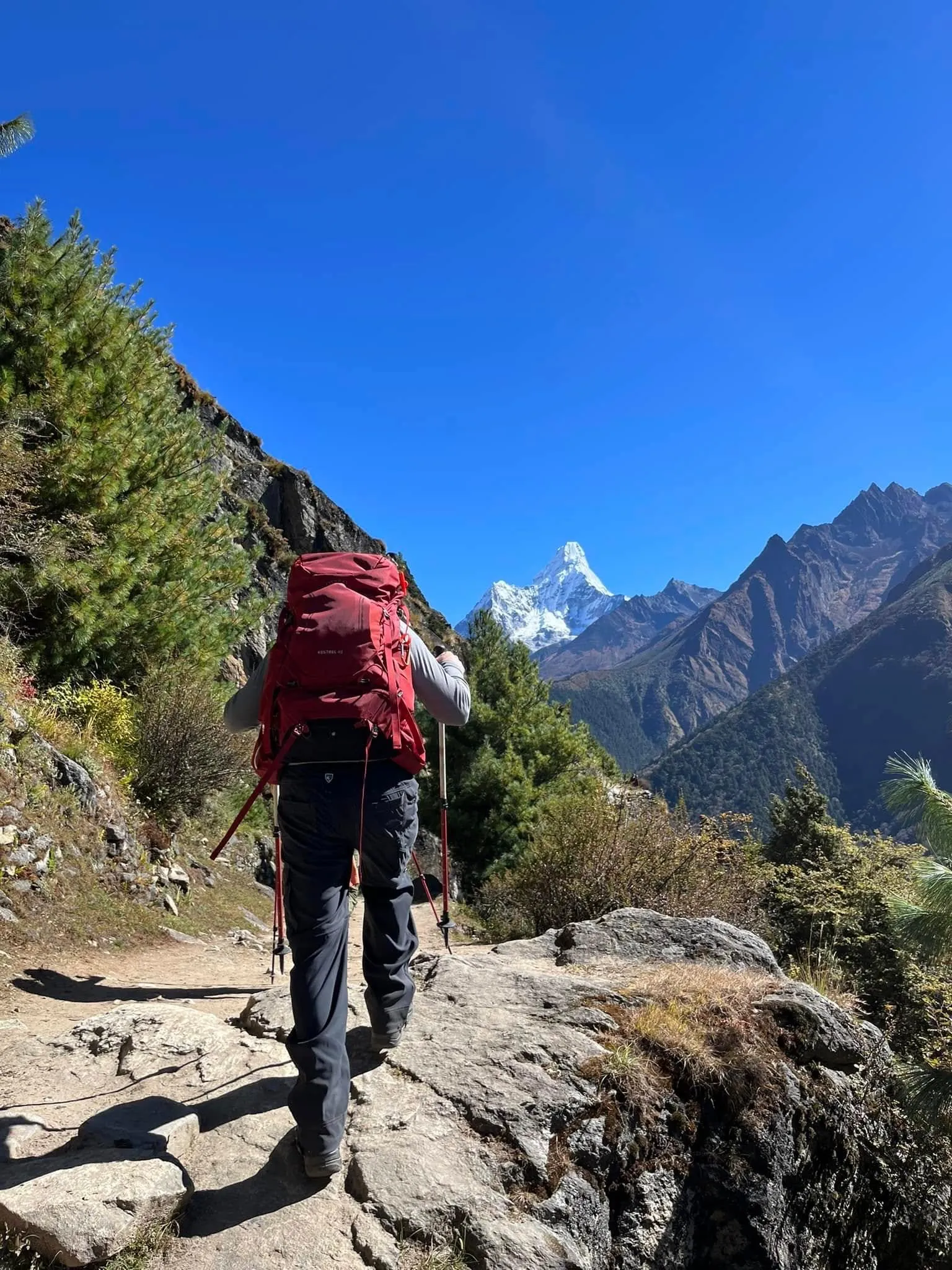
Preparation should make the trek calmer, safer, and easier to discuss with the local team. Use this page to gather the questions worth asking before travel.
Before you commit, clarify luggage limits, porter support, permits, insurance, payment timing, route expectations, and the conditions you are preparing for.
Preparation checklist
The essentials to think through before enquiry and travel.
Use these notes to prepare better questions about gear, altitude, luggage, insurance, money, connectivity, and respectful travel.
Essential gear
- Choose reliable clothing, a warm sleeping layer, sun protection, water bottles or a hydration system, headlamp, toiletries, and personal first-aid basics.
- Avoid overpacking. Porter support should be planned around agreed luggage expectations before the trek.
Layering guidance
- Prepare for warm sun, cold mornings, wind, and changing weather.
- Think in layers: base layer, insulation, wind or rain shell, warm hat, gloves, and socks that work with your boots.
Footwear
- Wear broken-in trekking boots or shoes suited to rocky trails and repeated walking days.
- Bring comfortable camp or tea-house footwear if your luggage allowance allows.
Duffel and daypack
- A porter-carried duffel is different from your personal daypack.
- Keep water, layers, snacks, rain protection, sun protection, and daily essentials in your daypack.
Altitude awareness
- High-altitude trekking should be paced carefully, with rest and decisions guided by local conditions and how the group is feeling.
- This website does not provide medical advice. Travellers should discuss personal medical concerns with a qualified professional before travel.
Fitness expectations
- Train for repeated walking days, uphill movement, descents, stairs, and carrying a light daypack.
- Fitness does not remove altitude risk, but it can make the walking days more manageable.
Travel insurance
- Arrange suitable travel insurance before the trek and understand altitude, trekking, evacuation, and medical coverage.
- Do not assume a standard policy covers high-altitude trekking.
Buffer days and Lukla flights
- Mountain weather can affect Lukla flights and route timing.
- Plan buffer days where possible, especially around international flights and fixed commitments.
Permits and accommodation
- Your guide helps obtain the permits and entry documents needed for your agreed route. The guide will explain the documents, fees, and collection arrangements before the trek; permit fees are paid by travellers separately.
- Check the current requirements with your guide before travel. Different permit and registration documents serve different purposes.
- Tea-house standards vary, and busy periods can affect availability.
Charging, connectivity, cash, and payments
- Expect limited charging and connectivity in mountain areas. Bring power backup where appropriate.
- Cash remains useful on the trail. Final payment arrangements are confirmed after enquiry and local team availability.
Respectful travel behaviour
- Ask before photographing people, move respectfully around religious sites, listen to local etiquette, and keep the trail clean.
- Treat guides, porters, tea-house staff, and residents as professionals and hosts, not background scenery.
Altitude guidance is not medical advice
The preparation page can help travellers ask better questions, but personal health decisions should be discussed with qualified professionals before travel. The local team should also guide pacing decisions once the trek begins.
Start planning
Prepared questions make better enquiries.
Use this page to think through your dates, group needs, insurance, luggage, and walking experience before sharing your plans.